

Having a vehicle gives you a certain feeling of independence and accountability. For many, it’s more than just a car; it’s a reliable travel partner for unforeseen adventures, road excursions, and everyday commutes. However, your relationship with your automobile needs constant care and attention to be healthy, just like any other relationship. Every motorist benefits from learning the fundamentals of auto maintenance; it’s not just for technicians. These procedures not only guarantee flawless operation but also prolong the car’s lifespan, reduce the need for expensive repairs, and improve safety in general. If you’re relocating your vehicle after completing important maintenance checks, using a trusted service like https://www.shiply.com/
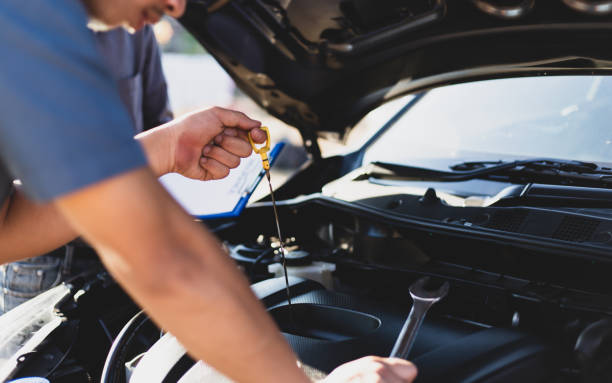
The significance of regular oil changes is among the first things each automobile owner should accept. In addition to preventing overheating and lubricating the engine’s interior parts, motor oil also aids in the removal of dirt and debris. Oil loses its protective properties when it becomes unclean or runs out, which increases wear and increases the risk of engine damage. It is essential to follow the manufacturer’s suggested oil change schedule, whether it be every 5,000 or 10,000 kilometers. The new oil will remain clean and effective for as long as feasible if the oil filter is changed together with the oil change.
Every vehicle requires a number of different fluids in addition to oil in order to operate correctly. Each fluid has a distinct function, including coolant, power steering fluid, brake fluid, gearbox fluid, and windshield washer fluid. The vehicle’s performance may suffer if any of these fluids are low, outdated, or polluted. Moisture-absorbing brake fluid may cause spongy or even failed brakes. The engine may overheat due to low coolant levels, which might result in serious damage. Regularly checking and replenishing fluids, particularly before lengthy trips or during seasonal shifts, is a little habit that might save serious issues later on.
Another aspect of auto maintenance that should never be disregarded is tire health. As the only point of contact between the vehicle and the road, tires are crucial for ride pleasure, safety, and fuel economy. Maintaining tires at the proper pressure, as indicated by the vehicle’s handbook or a placard on the driver’s door, lowers the chance of blowouts and helps guarantee even wear. Uneven tread wear and poor handling may result from tires that are either over- or under-inflated. Tires wear more evenly and last longer when rotated every 8,000 to 10,000 kilometers. The likelihood of unplanned flats or hazardous blowouts is also decreased by routinely examining the tread depth and looking for cuts or bulges.
Another item that requires regular maintenance is the brakes. Early indicators of worn pads or broken parts include sounds like squeaking, grinding, or a soft brake pedal. Over time, brake pads deteriorate, and neglecting them may harm the rotors and need more costly repairs. Early problems may be identified with a brake examination performed during tire rotations or oil changes. Verifying the quantity and quality of the brake fluid is similarly crucial since the braking system also uses it to transfer force from the pedal to the wheels.
Despite being one of the most crucial components of an automobile, the battery is often overlooked until the vehicle won’t start. Depending on use and temperature, modern batteries typically have a three to five year lifespan. The longevity of a battery may be shortened by very hot or cold conditions. Annual battery testing may help prevent unexpected failures, particularly after the battery has been in use for three years. Maintaining a clean and corrosion-free battery terminal guarantees a solid electrical connection, which is necessary for starting the engine and supplying power to the car’s electronics.
The engine’s air filter is another crucial component that requires maintenance. By preventing impurities, dust, and debris from entering the engine, this filter helps preserve engine performance and fuel economy. Reduced airflow, poorer engine efficiency, and even higher emissions might result from a filthy or clogged air filter. The air filter should be inspected and changed as necessary, usually once a year, depending on the driving conditions, particularly if you often travel on sandy roads.
Spark plugs are tiny but powerful parts that light the engine’s air-fuel combination. They deteriorate or become clogged with time, which may lead to misfires, inefficient fuel usage, and slow acceleration. Your engine will continue to run correctly and maintain overall performance if you replace your spark plugs at the intervals advised by your manufacturer. Although spark plugs don’t need to be changed very often, neglecting them for an extended period of time might result in more significant and costly engine problems.
Another important component of automobile maintenance is paying attention to the belts and hoses. These parts link and regulate a number of systems, such as the alternator, air conditioner, and cooling system. Over time, rubber hoses and belts deteriorate naturally, becoming brittle or fractured. For instance, in some cars, a damaged timing belt might result in severe engine damage. Frequent inspections aid in the early detection of wear, particularly during regular service. It is significantly less costly to replace belts and hoses before they break than to deal with the fallout after one.
Despite their seemingly insignificant appearance, windshield wipers are crucial for safe driving. Working wipers and a full windshield washer reservoir are essential for maintaining clear vision in the event of rain, snow, or even thick dust. Every few months, wiper blades should be examined and changed as soon as streaking or skipping appears. Regularly topping up washer fluid is advised, particularly before lengthy trips or in the winter when debris accumulates on windshields more rapidly.
The goal of routine inspections is to prevent issues rather than only identify them. You may get hints by physically and metaphorically listening to your car. An problem might be indicated by a sudden shift in loudness, a new vibration, or even an odd scent. Another crucial habit is to pay attention to the warning lights on the dashboard. Because of their purpose, these lights may transform a little problem into a major repair if they are ignored. Time, money, and worry may be reduced by responding quickly to warnings, whether they be from a battery indication, low tire pressure warning, or check engine light.
Another essential component of automotive care is seasonal maintenance. Winter driving puts special strain on your vehicle, affecting everything from battery life to tire traction. Checking antifreeze levels, making sure your heater and defroster are operating correctly, and switching to winter tires in colder climates are all crucial for comfort and safety. In order to prevent malfunctions and discomfort during hot weather, it is advisable to check the air conditioning system, coolant levels, and tire pressure throughout the summer months.
Long-term engine health is influenced by fuel system maintenance, which is often overlooked. Deposits may accumulate in the fuel injectors or lines over time, impairing performance and efficiency. These parts may be kept clean by using a fuel system cleaner on a regular basis or by according to manufacturer instructions. Debris entering the gasoline filter or lines may also be avoided by selecting premium fuel and avoiding running your tank too low too often.
A healthy automobile is also one that is clean. Dirt, road salt, and other impurities that might cause corrosion and degradation are eliminated when you routinely wash your car. Salt buildup on the undercarriage may hasten corrosion, particularly in coastal or winter climates. Frequent waxing protects the paint, while interior cleaning keeps controls, seats, and carpets in good condition. Maintaining your car’s appearance and preserving its market value may be achieved by vacuuming, cleaning surfaces, and preventing garbage from stacking up.
One of the most neglected areas of auto maintenance is probably good driving practices. The engine, gearbox, brakes, and suspension are less stressed when fast acceleration and forceful braking are avoided. Long-term wear is decreased by careful steering, driving smoothly, and adhering to speed restrictions. It matters even how you start your automobile. Allowing the engine to warm up, particularly during cold weather, promotes adequate oil circulation and lessens engine strain.
The lifetime of your car is also impacted by proper storage. It’s crucial to take certain safety measures if you don’t drive your automobile often. Every week, starting the engine and letting it run for a few minutes keeps the fluids flowing and the batteries charged. To avoid flat spots on the tires, use a trickle charger, fill up fluids, and place the car on jack stands if it will be parked for an extended length of time.
One of the best habits a motorist can form is being proactive about maintaining their vehicle. Only consistency, attentiveness, and a desire to master the fundamentals are needed; in-depth mechanical understanding is not. A dependable, secure, and long-lasting automobile is the result of little maintenance like changing the oil, checking fluid levels, replacing damaged tires, or just paying attention to how the car feels.
Every day, your automobile looks after you. Taking good care of it in return guarantees that it will remain reliable for many kilometers to come. Breakdowns, costly repairs, and inconveniences may be avoided by devoting a little amount of time and care now. In addition to a longer-lasting vehicle, the outcome is a smoother, safer, and more pleasurable ride.